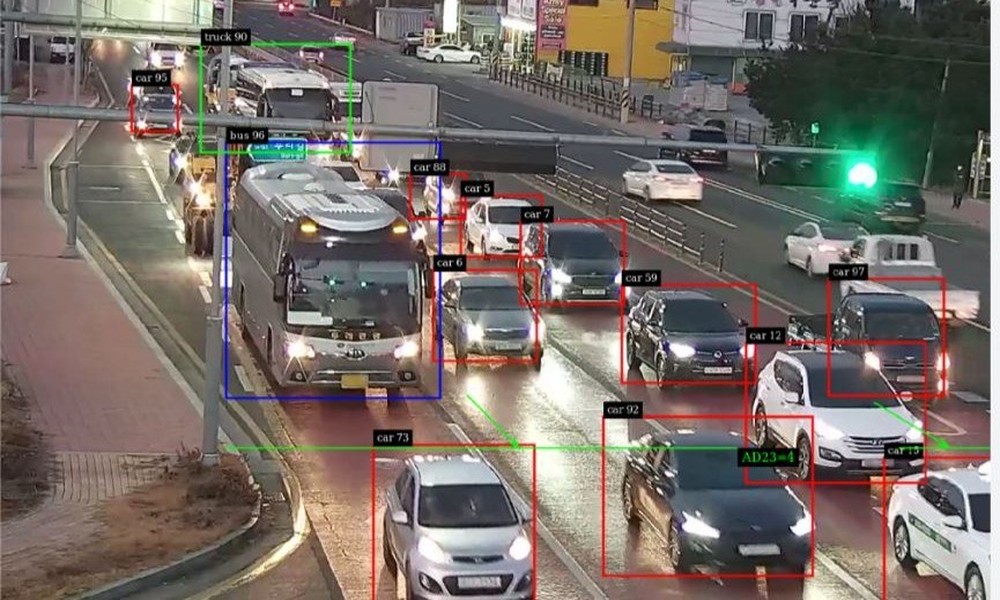
Picture a city trapped by its own rules. Cars pile up at intersections, commuters grow restless, and the traffic lights seem to serve a different era. For decades, traditional traffic management methods have shaped the way our streets function, but what if they’re now the biggest obstacle to progress?
The Origins of Traffic Management: Traditional Methods Take the Wheel
Long before the age of satellites and sensors, cities relied on basic tools to tame the growing chaos of vehicles. The earliest attempts at order involved simple stop signs, traffic police directing the flow by hand, and eventually, the familiar glow of traffic lights. Each step felt like progress, transforming unruly intersections into predictable, rule-based microcosms.
As cities grew busier, the introduction of rule-based systems was hailed as an answer to congestion. Preprogrammed traffic signals, fixed schedules, and standardized lanes brought a comforting sense of control. For a while, these methods worked. Commutes ran smoother, accidents dropped, and the urban world felt manageable.
Yet, cracks appeared almost as soon as these systems became the norm. Static signals couldn’t adapt to unpredictable surges in traffic. Manual control was no match for rapidly changing road conditions. The early successes of conventional traffic management would, over time, reveal their own blind spots.
Challenges Emerging from Legacy Traffic Control
One of the biggest weaknesses of traditional systems is their inflexibility. Fixed-timing traffic lights do not respond to real-time congestion. When an accident blocks a lane, the lights keep switching according to an old schedule, compounding the gridlock rather than easing it.
Urban centers worldwide have seen explosive growth in both population and vehicle numbers. The methods that once kept smaller cities moving can buckle under the pressure of contemporary demands. As queues lengthen and delays grow, economic costs soar. Beyond wasted hours, inefficient traffic flow drives up fuel consumption, increases emissions, and strains public patience.
The environmental toll is particularly glaring. When traffic moves slowly or stops frequently, cars burn more fuel and pump out more pollutants. The result? Worse air quality for city dwellers and a larger carbon footprint for municipalities.
Technological Shifts That Expose Traditional Shortcomings
Recent decades have unleashed a wave of technology that spotlights just how outdated static systems have become. Sensors embedded in roads, cameras monitoring vehicle flow, and data from connected cars create a rich stream of real-time information.
Communication networks now allow vehicles, infrastructure, and even smartphones to share data instantly. Despite this, many legacy systems fail to tap into these capabilities, sticking to predetermined schedules that ignore what’s actually happening on the streets. The result is an ever-widening gap between what’s possible and what’s practiced.
Static systems simply cannot leverage dynamic data. Where adaptive technology could ease congestion in seconds, outdated methods leave drivers stuck in avoidable jams.
The Evolution Toward Intelligent Traffic Management
Modern solutions are transforming what’s possible for city streets. Adaptive traffic signals use sensors to identify congestion and adjust light cycles on the fly. Suddenly, bottlenecks clear faster, and traffic flows more smoothly.
With the integration of artificial intelligence, systems can now predict where problems will arise and intervene before gridlock occurs. Machine learning enables these platforms to grow smarter over time, learning the unique rhythms and quirks of each intersection.
Consider cities like Singapore and Los Angeles, which have piloted intelligent management platforms to reduce average commute times and improve safety. These success stories make it clear: embracing adaptive technology yields measurable gains.
Why Holding onto Traditional Methods Can Stall Progress
Sticking with legacy systems is more than a matter of comfort; it’s a missed opportunity. Cities that fail to modernize risk falling behind, both economically and socially. Outdated methods widen the gap between neighborhoods with smart infrastructure and those stuck in the past. Safety, emissions, and commuter satisfaction all suffer when cities cling to rigid, underperforming technology.
Forward-looking experts point to platforms like Salus Traffic Control, which integrate advanced data analytics and adaptive algorithms, as models for what traffic management can and should be. Relying solely on the old ways is a recipe for congestion and frustration.
The Future of Traffic Management: Hybrid and Fully Automated Systems
Change is coming fast. Smart city initiatives are rolling out interconnected sensors, Internet of Things (IoT) devices, and cloud computing to bring real-time insight to every mile of road. Autonomous vehicles, once science fiction, are starting to reshape how traffic patterns develop and respond.
Preparing for this next generation involves more than installing a few cameras. Cities must redesign infrastructure, integrate new technologies, and foster partnerships with tech providers. The result? Roads that respond to demand, optimize flow, and minimize environmental impact.
Steps to Transition Away from Outdated Traffic Management
Transitioning to modern traffic management begins with recognizing a system’s limitations. A thorough audit reveals where delays, emissions, or safety issues are most acute.
Building support among stakeholders, planners, residents, businesses, and policymakers, is critical. Securing funding can be challenging, but pilot programs offer a way to test new solutions before wide deployment. Incremental strategies, such as upgrading a few intersections at a time, allow cities to refine their approach without overwhelming budgets or infrastructure.
Conclusion: Embracing Innovation to Overcome Traffic Challenges
The world’s streets are changing, and clinging to yesterday’s traffic management methods will only leave cities gridlocked. The cost of inaction is clear: more congestion, higher emissions, frustrated commuters, and lost economic potential. By embracing data-driven, adaptive systems, cities can create traffic ecosystems that move people and goods efficiently, sustainably, and safely. The future belongs to those willing to rethink the rules.