Most fridge owners know the panic that sets in when the kitchen suddenly feels warmer, food starts to spoil, or strange noises come from behind the appliance. The culprit is often the compressor, a hard-working component that keeps groceries cool and fresh. Spotting compressor issues early can mean the difference between a simple fix and losing an entire week’s groceries.
Early Signs Your Fridge Compressor Is Struggling
Unfamiliar sounds tend to be the first red flag. If you hear rattling, buzzing, or clicking that lasts longer than a second or occurs repeatedly, pay attention. These noises can signal internal wear, loose parts, or electrical problems.
Temperature inconsistency is another telltale sign. If milk sours ahead of its expiration date or frozen foods start to soften, your compressor could be failing to regulate the fridge’s temperature properly. Small temperature shifts often go unnoticed, but if you find yourself adjusting the thermostat more frequently, the underlying problem may be with the compressor.
A spike in your energy bill can also be a warning sign. When the compressor runs longer and harder to maintain cool temperatures, energy consumption increases. This inefficiency is sometimes more noticeable than changes inside the fridge itself.
Diagnosing Compressor Problems: What Should You Check First?
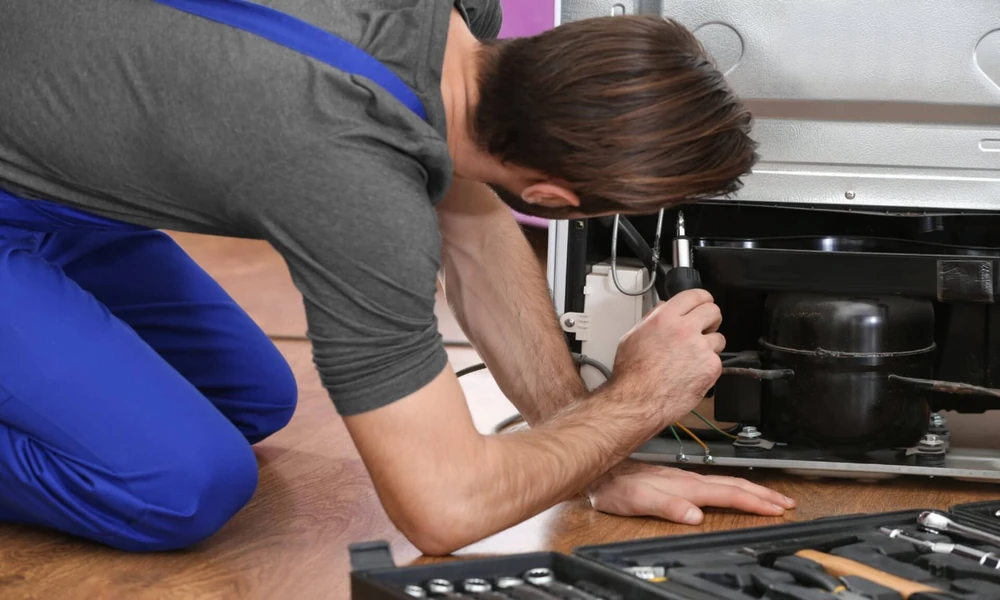
Start with a visual inspection. Safely pull the fridge away from the wall and look at the compressor (usually a black, tank-like unit near the bottom). Signs of trouble include oil spots, burnt smells, or visible damage. If the compressor feels excessively hot, that’s another clue something is wrong.
Next, consider the thermostat and refrigerant levels. A faulty thermostat can send bad signals to the compressor, making it work overtime or not at all. Low refrigerant (caused by leaks or age) also forces the compressor to strain without achieving proper cooling.
Don’t overlook the condenser and evaporator coils. Dirty or frosted-over coils can block proper airflow, putting unnecessary stress on the compressor. Regular cleaning here is a simple but effective preventative step.
When Should You Call a Professional for Compressor Faults?
Some compressor symptoms require immediate professional attention. Loud, persistent clicking or a compressor that never seems to shut off are red flags. These patterns usually mean electrical or mechanical problems, often beyond a homeowner’s toolkit.
Overheating is particularly serious. A hot compressor risks damaging other internal components and can even be a fire hazard. If the compressor’s housing is too hot to touch, unplug the fridge and call a technician immediately.
Electrical or mechanical failures are best diagnosed by experts with the right tools. If you notice blown fuses, tripped circuit breakers, or a fridge that won’t start at all, it’s time to seek specialized help.
Evolution of Compressor Technology and Impact on Repair
Older fridges used traditional compressors that cycled on and off at full power. Modern appliances increasingly rely on inverter compressors. These run at variable speeds, adapting to cooling needs and saving energy.
While inverter compressors can last longer and offer better efficiency, they can also complicate repairs. Parts are often more specialized, and diagnosis may require digital tools or manufacturer-specific training.
Because new technologies change how issues appear and progress, owners should be extra vigilant for even subtle symptoms in newer models. Early detection is key to avoiding costlier repairs down the road.
Repair vs. Replacement: How Do You Decide?
The decision often comes down to age and cost. If your fridge is under 10 years old and repair costs less than half the price of a new unit, fixing the compressor usually makes sense. But for older appliances, especially those needing frequent repairs, replacement may be wiser.
Beyond personal finances, consider the environmental impact. Repairing rather than replacing keeps large appliances out of landfills and reduces waste. Sometimes, though, new models offer improved energy savings and features worth the investment.
Preventative Maintenance: How Can You Extend Compressor Life?
A little care goes a long way in keeping your compressor healthy:
– Vacuum condenser coils every six months to remove dust and pet hair.
– Avoid overloading your fridge, which makes the compressor work harder.
– Keep the door seals clean and tight to maintain a stable temperature.
Scheduling periodic inspections with qualified technicians is also smart. They can catch small issues before they become big problems.
What to Expect from Professional Compressor Repair Services
Expert technicians start with a comprehensive diagnostic check, using specialized tools to test electrical connections, refrigerant levels, and compressor output. Most reputable repair companies provide a straightforward assessment before any work begins.
Repairs may involve replacing faulty parts, fixing leaks, or even swapping out the entire compressor. Reliable companies stand by their work, offering guarantees on both parts and labor, and always being upfront about pricing.
One trustworthy resource for Ottawa homeowners is Honest Guys Appliance Repair. Their commitment to transparent service and experienced technicians makes them a standout choice for tackling even the toughest fridge compressor issues.
Future Trends in Fridge Compressor Care and Technology
Looking ahead, advanced diagnostic tools and smart sensors are making it easier to catch compressor problems before they escalate. Homeowners can expect even greater energy efficiency from future models, thanks to innovations in both hardware and software.
Staying informed about your fridge’s technology and keeping up with regular maintenance are the best ways to avoid compressor headaches, and ensure your groceries stay as cool as you intend.