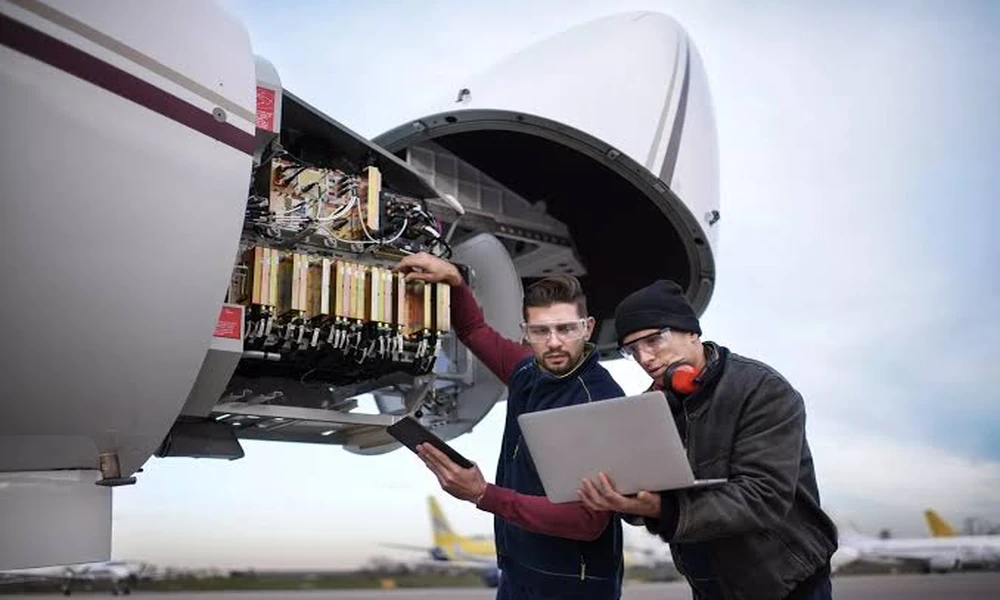
Safe flight operations depend on regular inspections and planned upkeep. Each aircraft requires careful attention to keep its systems working as intended. Preventive maintenance helps identify worn parts and maintain dependable performance before scheduled departures. Skilled technicians follow approved procedures to support consistent operation. Through scheduled servicing and timely repairs, gulfstream maintenance helps preserve aircraft reliability and operational readiness.
Regular Inspection Procedures
Scheduled inspections help technicians assess the condition of essential components. They examine control systems and structural parts to confirm proper operation. These checks support reliable performance throughout daily flight schedules. Clear inspection records also help maintenance teams plan upcoming tasks and track completed work.
- Examine critical components according to approved inspection schedules.
- Review system readings to confirm expected operating conditions.
- Record inspection results for accurate maintenance planning.
- Check moving parts for wear and correct alignment.
- Verify completed tasks before releasing equipment for operation.
Component Care And Replacement
Individual components require attention to maintain dependable performance. Technicians check electrical connections and mechanical parts for signs of wear. Replacing worn items at suitable intervals supports safe operation and reduces unexpected interruptions. Accurate records help teams identify recurring needs and arrange suitable replacement parts before they become urgent.
- Replace worn components according to approved maintenance instructions.
- Inspect electrical connections to maintain steady system operation.
- Confirm replacement parts meet required technical specifications.
- Check fasteners for secure fitting during scheduled inspections.
- Update maintenance records after every completed replacement task.
Engine Performance Monitoring
Engine checks help maintenance teams understand operating conditions and performance changes. Technicians review temperature readings and other approved measurements during routine inspections. These checks support consistent power output during planned operations. Timely attention to unusual readings allows teams to arrange suitable adjustments and preserve dependable engine function.
Maintenance Records And Planning
Accurate documentation helps teams organise maintenance tasks and confirm completed work. Records include inspection dates and replaced components alongside findings from technical checks. These details support future planning and help staff follow approved schedules. Using gulfstream maintenance records as part of an organised process can improve task coordination and maintain clear oversight of required work.
Skilled Technicians And Training
Qualified technicians play an important role in maintaining safe operating conditions. Their training helps them follow technical instructions and identify component concerns. Regular learning keeps their knowledge aligned with updated procedures. Strong communication between team members supports accurate task completion and helps maintain consistent standards during every scheduled inspection.
Supporting Reliable Flight Operations
Preventive maintenance supports dependable scheduling through planned checks and timely repairs. Maintenance teams can coordinate inspections around operational needs while keeping required work organised. Clear communication helps flight crews understand equipment readiness before departure. Consistent attention to maintenance requirements strengthens operational control and supports reliable performance across routine activities.
A well-organised maintenance plan gives operators a practical way to protect equipment and support dependable schedules. Teams should follow approved inspection intervals and maintain complete technical records. Prompt component replacement helps preserve operating standards. Regular staff training also strengthens task accuracy. By making preventive checks part of daily planning, operators can support safe departures and maintain consistent readiness.
FAQ
Why is preventive maintenance important for flight operations?
It supports reliable performance through scheduled inspections and timely component replacement.
How often should maintenance inspections be completed?
Inspection frequency follows approved schedules and the equipment manufacturer’s requirements.
Who should perform preventive maintenance on aircraft?
Qualified technicians should complete tasks under approved maintenance procedures.