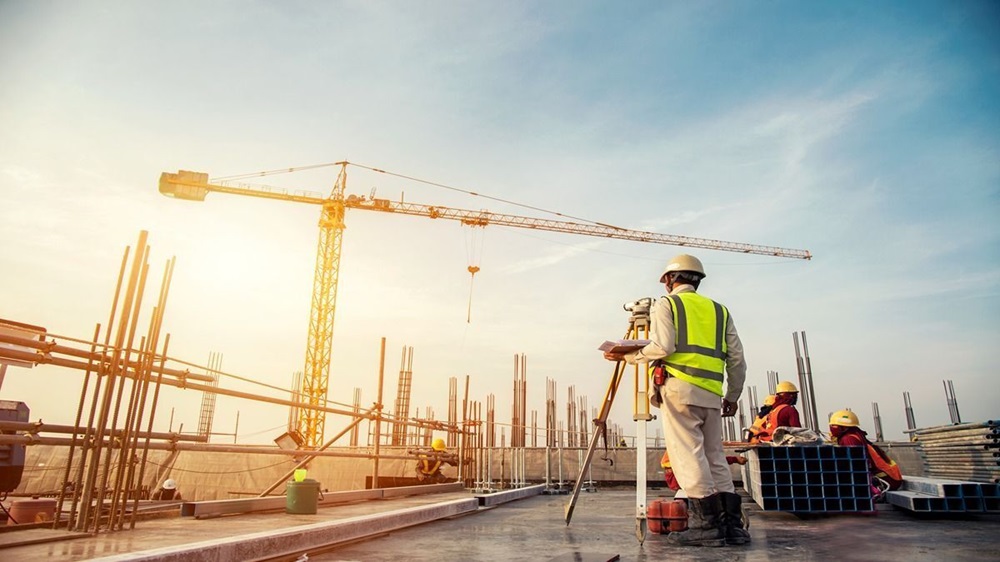
Rising costs are threatening to turn dream projects into budget nightmares, but cutting corners is a recipe for disappointment. Savvy construction isn’t about slashing quality; it’s about making strategic design choices that deliver lasting value without breaking the bank.
The Rising Challenge of Construction Costs
Construction budgets are swelling for reasons that go beyond inflation. Surging material prices, skilled labor shortages, and supply-chain hiccups have pushed costs higher than ever. Steel, concrete, and lumber , staples of the industry , have all seen double-digit price hikes over the past few years.
Key Factors Driving Up Expenses
Several forces are fueling this climb. Raw material shortages drive up procurement prices. Labor, especially skilled trades, is at a premium. Regulatory requirements and energy codes add complexity and cost. Even unexpected events, like global disruptions, can suddenly spike expenses mid-project.
Impact on Project Timelines and Budgets
Delays and cost overruns have become familiar obstacles. When budgets are stretched thin, timelines often slip, inviting further expense. Every extra day on site means more labor costs and potential penalties, putting even well-planned projects at risk.
Why Cutting Corners Isn’t the Answer
It’s tempting to chase the lowest bid or cheaper materials. The result? Shortcuts that cost more in the long run. Poor quality leads to repairs, inefficiencies, and lost reputation. The smarter approach is to optimize design for efficiency and durability , not just upfront savings.
Smart Design Philosophy: Balancing Cost and Quality
The hallmark of intelligent construction is prioritizing value over apparent savings.
Prioritizing Value Over Cheap Materials
Every dollar saved with an inferior product can cost five times more in replacement or maintenance. Investing in reliable materials and proven solutions is almost always cheaper over the building’s lifecycle.
Integrating Durability into Design Choices
Robust design means less maintenance, fewer failures, and longer service life. Architects focusing on high-use spaces for industrial, commercial, or residential buildings weigh the total cost of ownership, not just the price tag. Durable surfaces, easy-maintenance finishes, and resilient systems pay off for years to come.
Leveraging Modular and Prefabricated Components
Prefabrication and modular systems offer tight quality control and faster assembly, which translates to fewer errors and reduced labor costs. For instance, a modular wall system can shave weeks off a timeline and minimize onsite waste, supporting both sustainability and budget targets.
Material Selection Strategies That Save Money Without Sacrifice
Smart material choices can unlock significant savings without trading away quality.
Choosing Cost-Effective, High-Performance Materials
High-performance doesn’t always mean high price. Concrete mixes with recycled content, engineered wood products, and advanced composites often outperform their traditional counterparts while staying within budget.
Sustainable Materials that Offer Long-Term Savings
Sustainability isn’t just a buzzword , materials like recycled steel and low-VOC finishes can lower maintenance costs and improve occupant health, adding long-term value.
Case Studies: Successful Material Choices in Commercial and Residential Projects
Consider office interiors using durable yet affordable luxury vinyl tile, or distribution centers opting for pre-cast concrete panels for speed and reliability. These choices, embraced by designers like the Stendel + Reich architecture firm, consistently optimize both budget and quality across a portfolio that spans everything from residential towers to high-tech plants.
Efficient Structural Systems and Construction Methods
Streamlined structural systems can be a game-changer.
Simplifying Structural Designs to Reduce Complexity
Eliminating unnecessary complexity reduces both material waste and labor hours. Clear spans, repetitive bays, and standardized components keep detailing simple and costs down.
Innovative Framing and Foundation Techniques
Engineered systems such as pre-engineered metal buildings or shallow foundations can be tailored to site conditions, balancing upfront costs with long-term stability.
Role of Technology and BIM in Cost Control
Building Information Modeling (BIM) helps teams spot clashes and inefficiencies before they’re built. Early visualization and coordination minimize expensive surprises during construction.
Optimizing Space Planning for Cost Efficiency
Strategic layouts are a hidden lever for savings.
Designing for Flexibility and Multi-Use Spaces
Flexible floorplans allow spaces to adapt over time, deferring future costs and renovations. Multi-functional rooms can reduce square footage needs without sacrificing usability.
Minimizing Wasted Space and Over-Engineering
Efficient corridors, consolidated mechanical areas, and careful zoning mean every square meter works harder, lowering both construction and operational costs.
Impact of Smart Layouts on Construction and Operational Costs
Thoughtful design reduces the need for excessive structural elements and mechanical systems, benefiting both upfront budgets and long-term utility bills.
Collaboration and Early Decision-Making to Avoid Costly Changes
Upfront teamwork pays dividends.
Importance of Early Stakeholder Involvement
Bringing key voices to the table early ensures client goals and technical requirements are aligned from the start, reducing the risk of expensive late changes.
Coordinating Between Architects, Engineers, and Contractors
Open communication helps prevent duplication of efforts and unnecessary complexity. Integrated project teams streamline decision-making and foster innovation.
Utilizing Value Engineering Without Compromising Vision
Value engineering isn’t about stripping down quality. It’s about finding the sweet spot where cost, function, and aesthetics meet.
Practical Steps for Implementing Smart Design Choices
Execution is where theory meets reality.
– Conduct Thorough Cost-Benefit Analyses: Weigh long-term savings against initial expense.
– Establish Clear Budget Priorities and Limits: Identify must-haves versus nice-to-haves early on.
– Monitor Costs Through Every Phase: Regular tracking helps spot overruns before they spiral.
Future-Proofing Through Design: Quality That Lasts
A building that adapts with time delivers lasting value.
Designing for Adaptability and Future Upgrades
Spaces planned with future use in mind can be modified without costly overhauls.
Maintenance Considerations in Material and System Choices
Selecting finishes and systems with proven durability reduces ongoing costs.
Long-Term ROI: The Real Measure of Smart Construction Decisions
Ultimately, the smartest design choices look beyond the ribbon-cutting to deliver value for decades , ensuring quality survives every budget challenge.