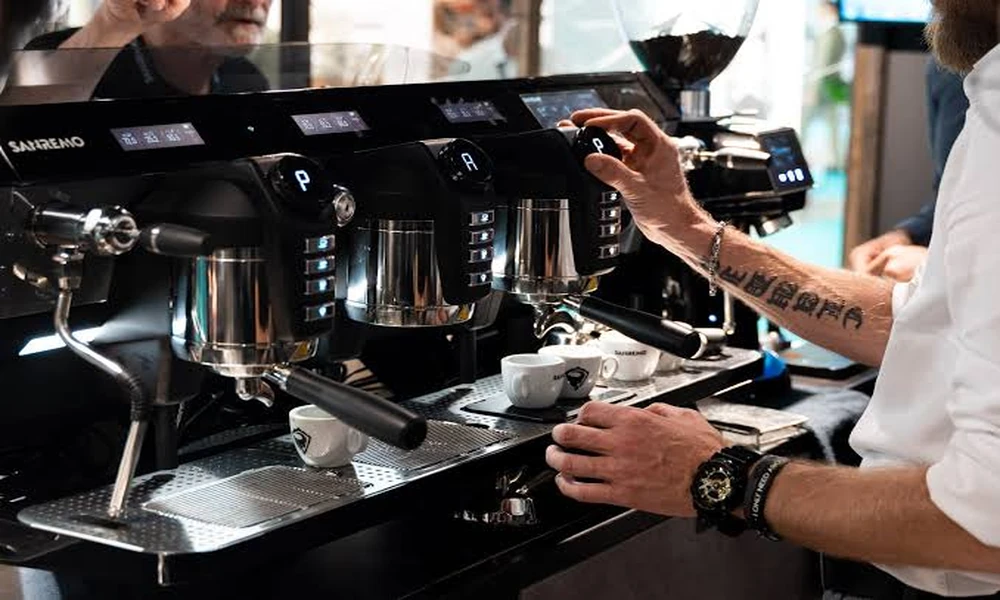
Daily café demand plays an important role when selecting brewing equipment. A coffee machine should match the number of drinks prepared during regular hours. Busy periods require equipment that can maintain a steady pace without interrupting staff routines. Smaller cafés may prefer compact options while larger operations need greater brewing capacity. The right coffee machine for cafe supports reliable preparation throughout each working day.
Assess Daily Brewing Requirements
Daily order levels provide a useful starting point for equipment selection. A café with moderate demand can often work efficiently with a compact setup. Higher demand requires greater capacity to maintain steady preparation during busy periods. Looking at typical hourly orders gives owners a clearer picture of the required output. This approach connects equipment size with genuine business needs when choosing the right coffee machine for cafe.
- Count typical drink orders across the busiest operating hours.
- Record quieter periods to understand changes throughout each shift.
- Consider staff numbers available during high demand periods.
- Measure counter space before selecting larger brewing equipment.
- Estimate future growth without choosing excessive capacity today.
Match Capacity With Workload
Brewing capacity should correspond with the volume handled during ordinary working hours. A suitable machine needs enough power to support repeated preparation throughout busy periods. Heating speed can influence the time between consecutive orders.
- Compact units suit cafés with moderate daily brewing requirements.
- Greater output supports concentrated demand during busy service periods.
- Larger water reserves reduce interruptions during repeated preparation.
- Faster heating supports continuous preparation between consecutive orders.
- Multiple brewing groups allow simultaneous preparation during peak periods.
Consider Staff Working Patterns
Staff routines should influence equipment selection because employees interact with the brewing system throughout each shift. Simple controls can make repeated preparation easier for trained workers. Equipment should fit naturally into the available counter area. Staff also need enough room to move between preparation tasks without unnecessary steps.
Plan Space Utility Efficiently
Counter space can influence the suitable equipment choice for a café. Larger systems may provide greater output while requiring additional room for operation. Smaller units can suit compact counters while preserving useful workspace. The surrounding area should allow staff to prepare orders efficiently. Water access and electrical connections should remain convenient for regular operation.
Plan for Changing Demand
Café demand can change because of seasonal patterns or altered opening schedules. New promotions can also influence the number of orders received during particular periods. Owners should consider present demand alongside realistic future growth. This can prevent equipment choices from becoming unsuitable as daily workloads increase.
Selecting equipment according to actual demand creates a more organized café workflow. Owners can match brewing output with daily order patterns while considering staff routines and available workspace. Capacity should also allow reasonable business growth without creating unnecessary expense. Careful planning supports consistent preparation during both quiet periods and busy hours. A suitable setup can maintain efficient operations while fitting the practical needs of the café.
FAQ
What capacity suits a café with moderate daily brewing demand?
Moderate demand usually suits compact equipment with dependable brewing capacity.
Should peak hourly demand influence café equipment selection decisions?
Yes, peak periods strongly affect required output and heating speed.
Can counter space affect suitable brewing equipment for cafés?
Yes, available workspace should support preparation and staff movement.